

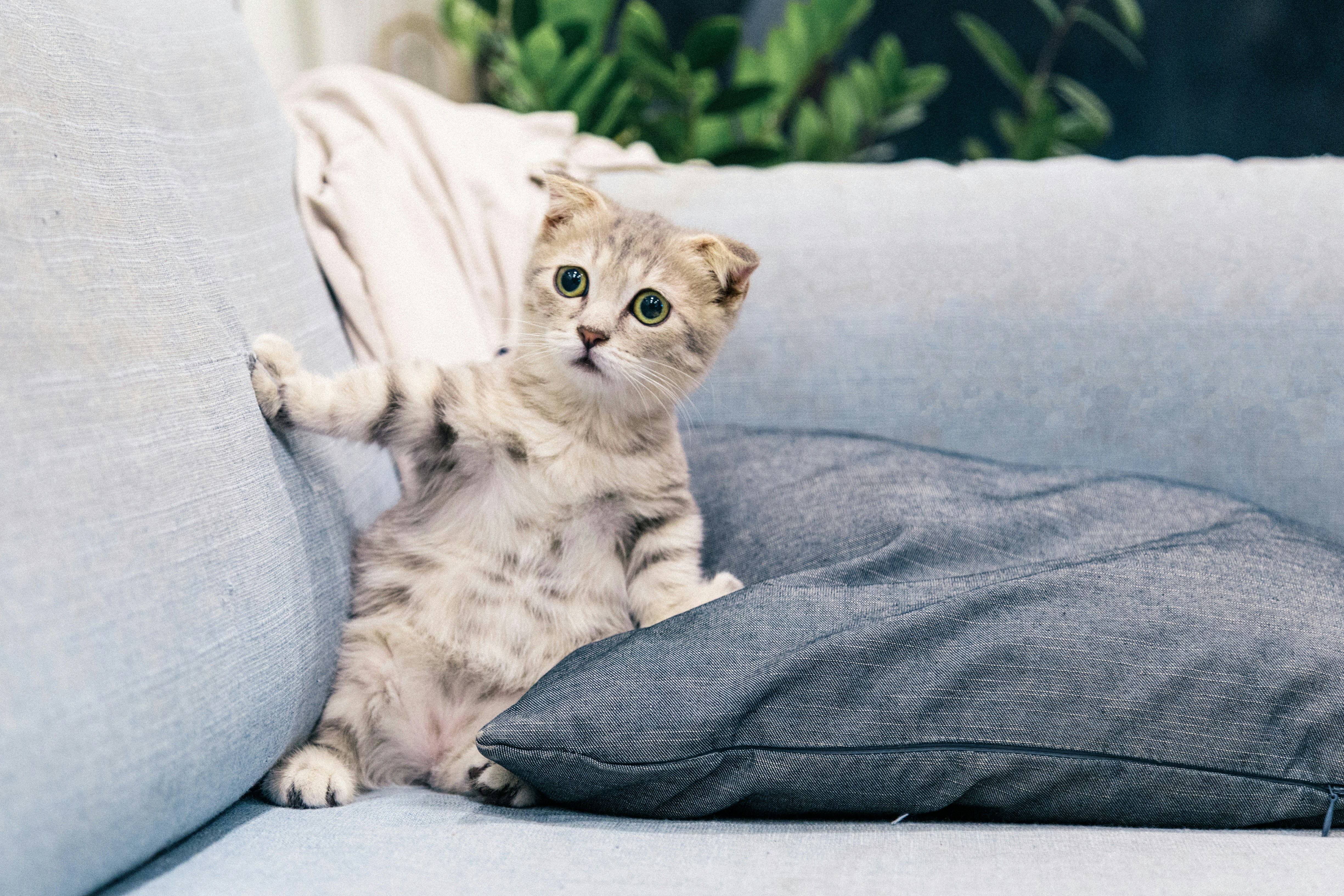
We love our pets, but not the smell they leave in our furniture. Dogs and cats spend hours on sofas, armchairs and mattresses, leaving behind hair, natural skin oils, saliva and sometimes traces of urine. The result: a lingering odour that does not disappear with airing or perfumed sprays. Here is how to solve the problem properly.
Why is pet smell so persistent?
Pet smell is not superficial — it penetrates deep into the upholstery fibres, into the foam under the fabric and even into the wooden or metal frame of the furniture. The main cause is the volatile organic compounds released by sebum (the natural oils of the animal’s skin and fur), which build up in successive layers with every contact.
With urine, the problem is even more complex. Urine contains urea, uric acid and bacteria which, as they decompose, release ammonia — a compound with an extremely strong and persistent smell. Uric acid in particular is not water soluble and cannot be removed by simply wiping the surface or by cleaning with ordinary products.
💡 Why don’t perfumed sprays work? “Air freshener” type products do not remove the smell — they cover it temporarily. The odour molecules remain in the fibres and come back after a few hours, often mixed with the product’s fragrance, creating an even more unpleasant smell.
What you can do at home — and the limits of these methods
There are a few methods you can apply at home to reduce the smell, although none deliver the results of a professional clean:
- Baking soda — sprinkle generously over the upholstery, let it sit for at least 8 hours (ideally overnight), then vacuum. Baking soda partly absorbs and neutralises odours, but does not kill bacteria
- Diluted white vinegar — a 1:1 solution with water, sprayed onto the affected area and left to air-dry. Vinegar neutralises the alkalinity of urine and reduces the ammonia smell
- Enzymatic products — enzyme-based solutions (available in pet shops) molecularly break down the organic compounds in urine and sebum. They are the most effective off-the-shelf products, but they need a few hours to act
- Frequent vacuuming — pet hair traps odours and acts like a reservoir. Daily vacuuming significantly reduces build-up
Their limits: these methods work well for recent, superficial smells. For older, deep-set smells or ones caused by repeated urination in the same place, they are not enough — the smell returns after a few days.
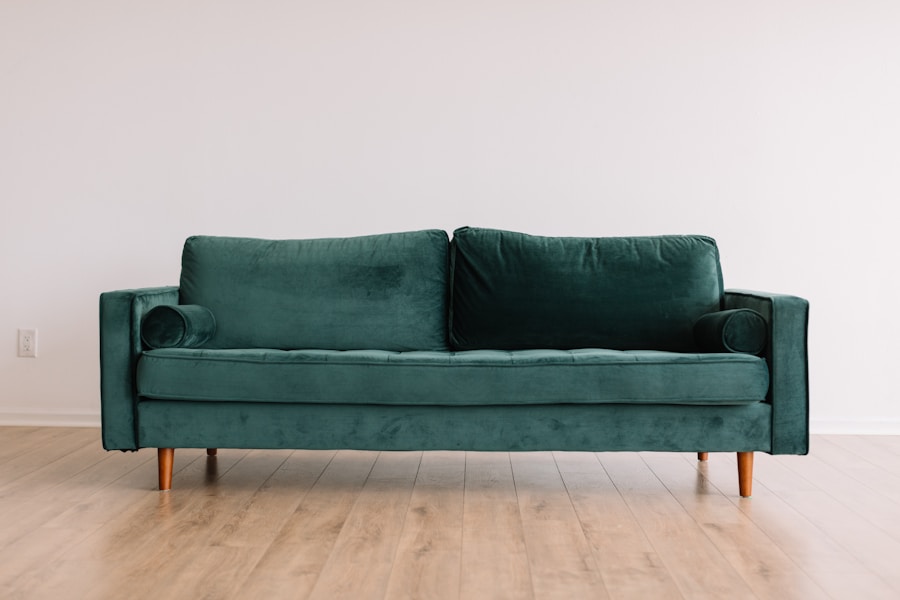
Why professional cleaning is the only complete solution
Hot water injection-extraction cleaning is the only method that completely removes pet smells from upholstery, for two key reasons:
First, hot water under pressure penetrates deep into the fibres and the foam of the upholstery, reaching places no surface-applied product can. Second, immediate extraction physically pulls odour molecules, bacteria and organic residue out of the material — it does not mask them, it removes them.
Combined with a professional enzyme treatment applied before cleaning and specialised deodorising afterwards, the injection-extraction method delivers results you cannot achieve at home, no matter what products you use.
Ozone treatment — the secret weapon against persistent smells
For severe cases — old urine, deep smells or build-ups of years — we recommend combining injection-extraction cleaning with an ozone sanitation treatment.
Ozone (O₃) is a strongly oxidising gas that penetrates every surface and material in a room, including upholstery, carpets and curtains. It chemically breaks down odour molecules at the atomic level, definitively removing even smells that have penetrated the structure of the furniture. After the treatment, the ozone converts back into oxygen, leaving no chemical residue.
Ozone treatment lasts 1–3 hours, depending on the size of the space and the intensity of the smell, and requires people and animals to be out of the room for the duration of the procedure.
How to prevent odours from building up again
After a professional clean, a few simple habits can keep the upholstery fresh for much longer:
| Preventive action | Recommended frequency |
|---|---|
| Vacuuming the upholstery (with pet hair attachment) | 2–3 times a week |
| Wiping the surface with a lightly damp cloth | Weekly |
| Apply baking soda + vacuum | Monthly |
| Full professional cleaning | Every 4–6 months (with pets) |
| Using washable sofa covers | Permanently, washed weekly |
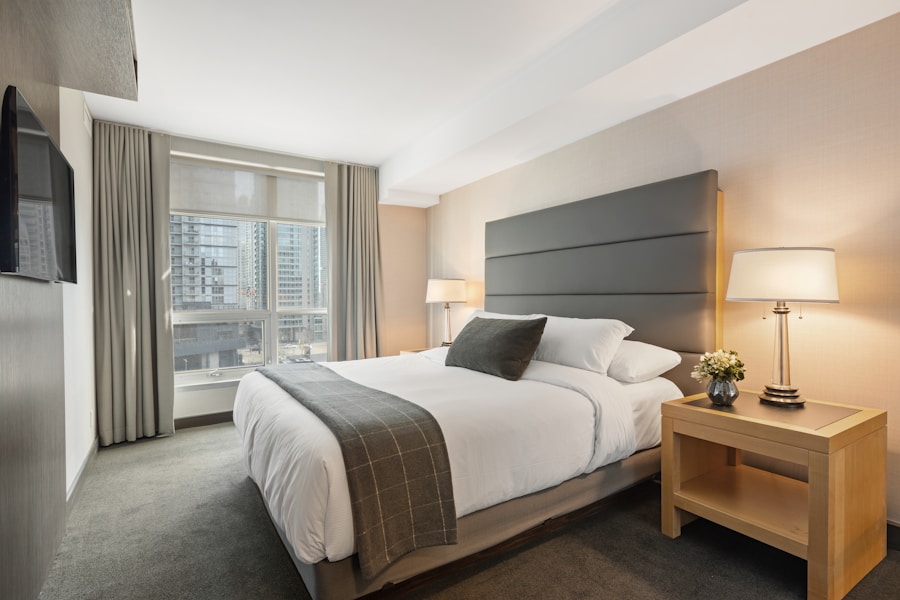
What does the Clever Clean pet odour service include?
Our specialised process for removing pet smells includes:
- Deep vacuuming with an anti-hair attachment — we remove hair, dander and dry particles from every layer of the upholstery
- Applying a professional enzyme solution — a pre-cleaning treatment that molecularly breaks down the organic compounds in urine and sebum, with a 15–20 minute action time
- Hot water injection-extraction cleaning — hot water with a neutral solution is injected and immediately extracted, removing dirt and bacteria from deep within
- Professional deodorisation — a final enzyme-based odour neutraliser treatment, safe for pets and children
- Ozone treatment — on request, for severe cases or to fully sanitise the space
- Fast drying — the upholstery is ready to use within 2–4 hours
✅ 30-day guarantee. If the smell returns within 30 days of the clean, we come back free of charge. We are confident in our results.
Conclusion
Pet smell in upholstery is not a problem without a solution — it is a problem that needs the right solution. Home methods can ease the situation temporarily, but for completely and definitively removing the smell, professional cleaning is the only real option.
With a professional clean every 4–6 months and a few simple maintenance habits, you can live happily with your pets without compromising on cleanliness or the smell of your home.
Need professional cleaning?
The Clever Clean team can help. Request a free quote.